


News
News List

August 20, 2026
Rattlesnake encounters are a serious concern for pets in El Paso, especially during outdoor walks, hikes, or time spent in desert areas. A rattlesnake bite can cause rapid swelling, pain, bruising, weakness, vomiting, or difficulty breathing. Some pets may have visible puncture wounds, while others show few immediate symptoms. If you suspect your dog or cat has been bitten, seeking emergency veterinary care immediately is essential. Venom can cause significant tissue damage and potentially life-threatening complications, even when your pet initially appears stable.

April 20, 2026
El Paso dust storms can pose serious respiratory risks for pets, especially those with asthma, chronic bronchitis, or other breathing conditions. Airborne dust, pollen, and fine particles can irritate the respiratory tract, triggering coughing, wheezing, sneezing, and difficulty breathing. Cats with feline asthma may be particularly sensitive to these environmental irritants, while dogs with existing respiratory conditions may experience worsening symptoms. At El Paso Animal Emergency, we encourage pet owners to monitor their pets closely during dusty weather and recognize when breathing problems require immediate veterinary attention.
February 9th, 2026
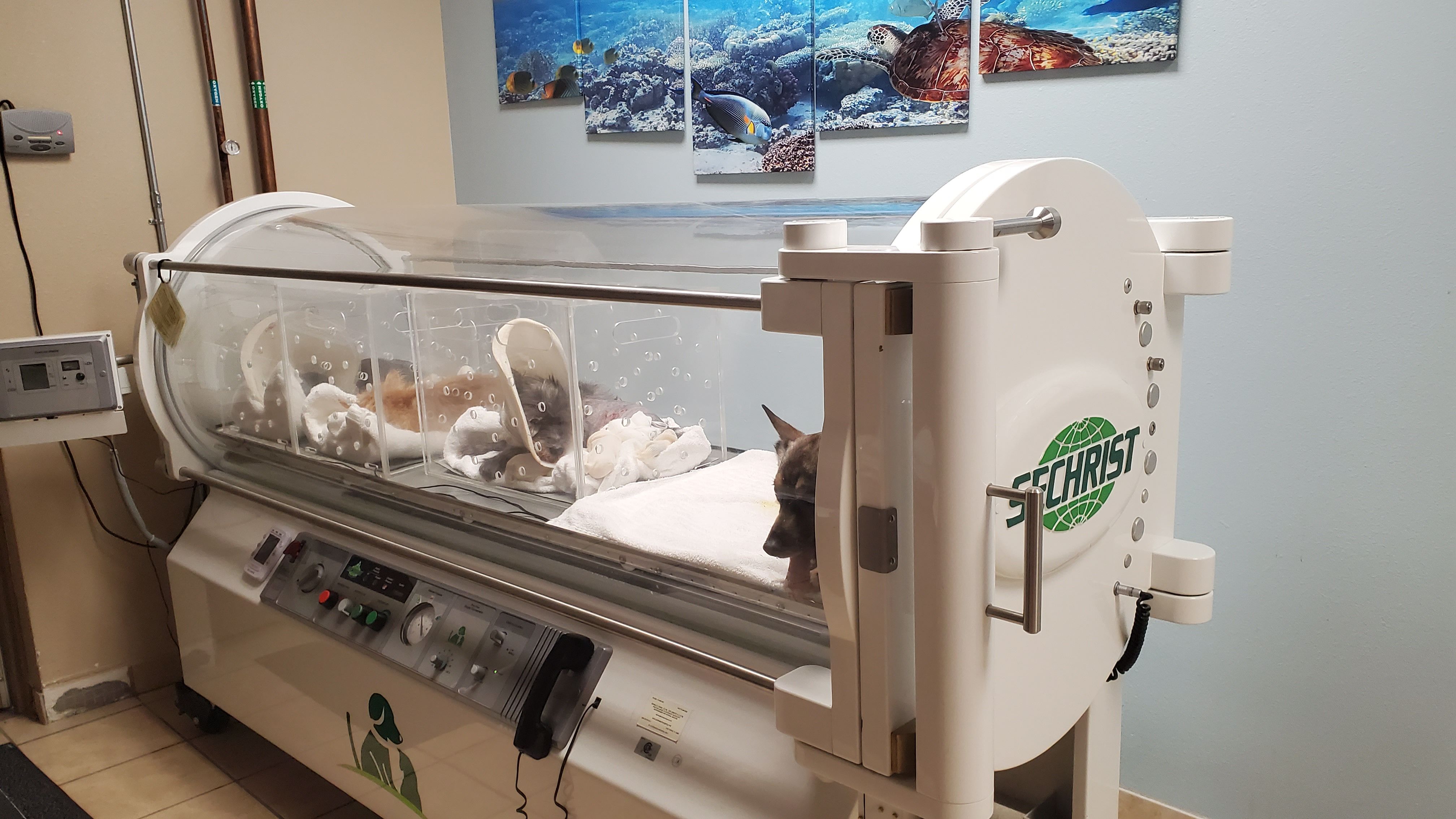
Hyperbaric oxygen therapy (HBOT) is an advanced medical treatment that helps animals heal by delivering 100% oxygen in a pressurized chamber. This process allows oxygen to dissolve directly into the bloodstream at higher levels than normal breathing, dramatically increasing oxygen delivery to injured tissues. For pets recovering from trauma, surgery, infections, or wounds that are slow to heal, HBOT can significantly accelerate recovery by reducing inflammation, fighting bacteria, and promoting the growth of new blood vessels and healthy tissue.
November 4, 2025
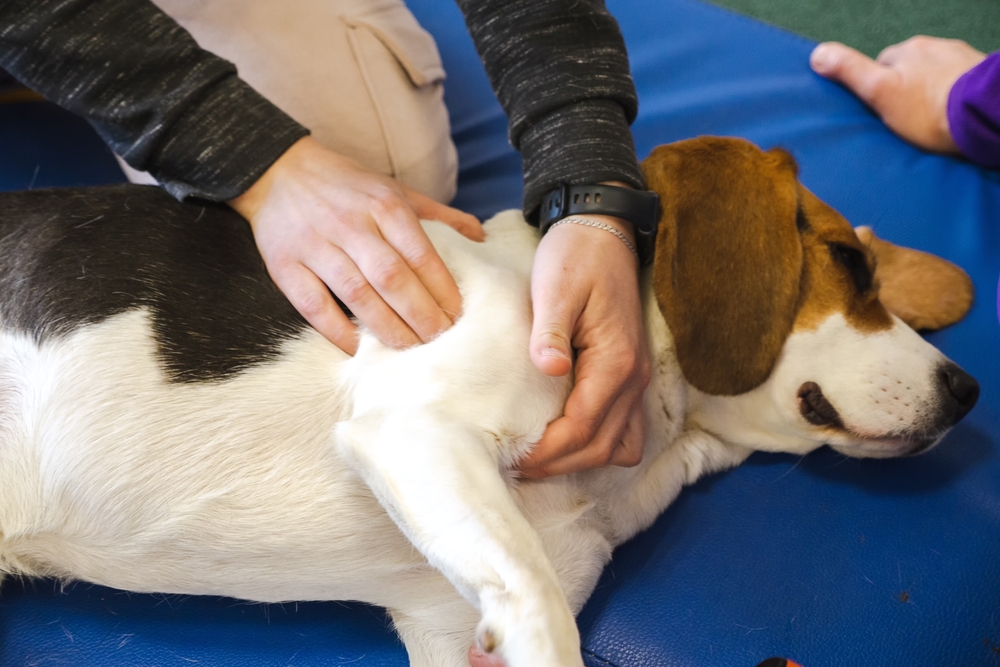
After surgery or injury, pets need more than just rest - they need a structured rehabilitation plan to support recovery and restore mobility. Our veterinary rehab in El Paso combines advanced techniques and compassionate care to help pets heal faster and regain strength.
July 28th, 2025
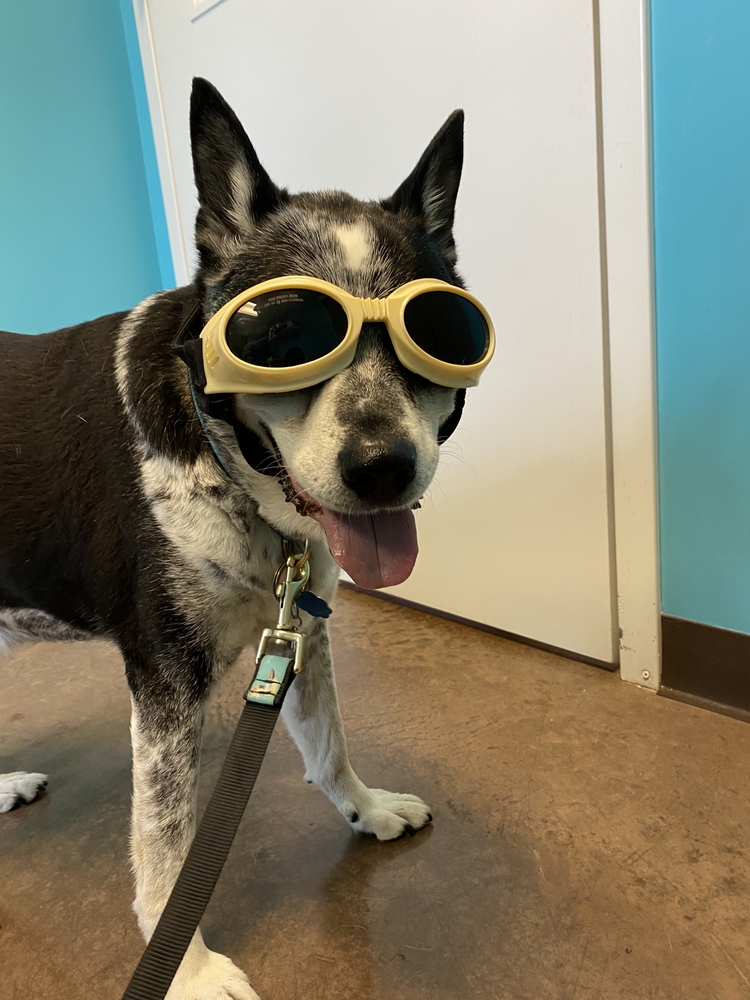
Cold laser therapy, also known as low-level laser therapy (LLLT), is becoming a popular treatment option in veterinary medicine for its ability to promote healing and reduce pain in pets. This non-invasive procedure uses specific wavelengths of light to penetrate tissues without generating heat, stimulating cellular activity beneath the skin.

After your pet undergoes surgery or an emergency procedure, careful monitoring at home is essential for a smooth recovery. Keep a close eye on their incision site for any signs of swelling, redness, or discharge. It is important to limit their physical activity to avoid reopening stitches or causing additional strain. Make sure your pet is resting comfortably in a quiet space and follow any medication instructions provided by your veterinarian. Watch for any changes in appetite, energy level, or behavior that could indicate discomfort or complications.

Pets are naturally curious, and unfortunately, this can sometimes lead them to ingest toxic substances. Some of the most common pet poisonings come from household items like chocolate, grapes, and xylitol, a sugar substitute found in many sugar-free products. Medications, including over-the-counter pain relievers like ibuprofen and prescription drugs, can also be highly toxic to pets if consumed. Additionally, certain plants, such as lilies for cats and sago palms for dogs, pose serious health risks.

Hydrotherapy, or water therapy, is a valuable treatment option for pets recovering from open wounds or lesions. The gentle properties of water promote healing by reducing inflammation and encouraging blood flow to the affected area. This increased circulation supports the body’s natural healing processes, delivering essential nutrients and oxygen to wounded tissues. Additionally, hydrotherapy helps keep the wound area clean, minimizing the risk of infection by gently washing away bacteria and debris that may accumulate on the skin’s surface.

As a pet owner, witnessing your furry companion limp can be a concerning and stressful experience. Limping in dogs can be caused by a variety of factors, ranging from minor injuries to more serious underlying conditions. Understanding the common causes, recognizing the signs of pain, and taking the appropriate steps can help ensure your dog's well-being and a speedy recovery.

Emergencies can arise suddenly and unexpectedly, leaving you feeling helpless and anxious. However, being aware of the potential emergencies that may affect your pet can help you stay prepared and act swiftly when needed.


Hours
24 hours, 7 days a week
24 hours, 7 days a week
Powered by: 